
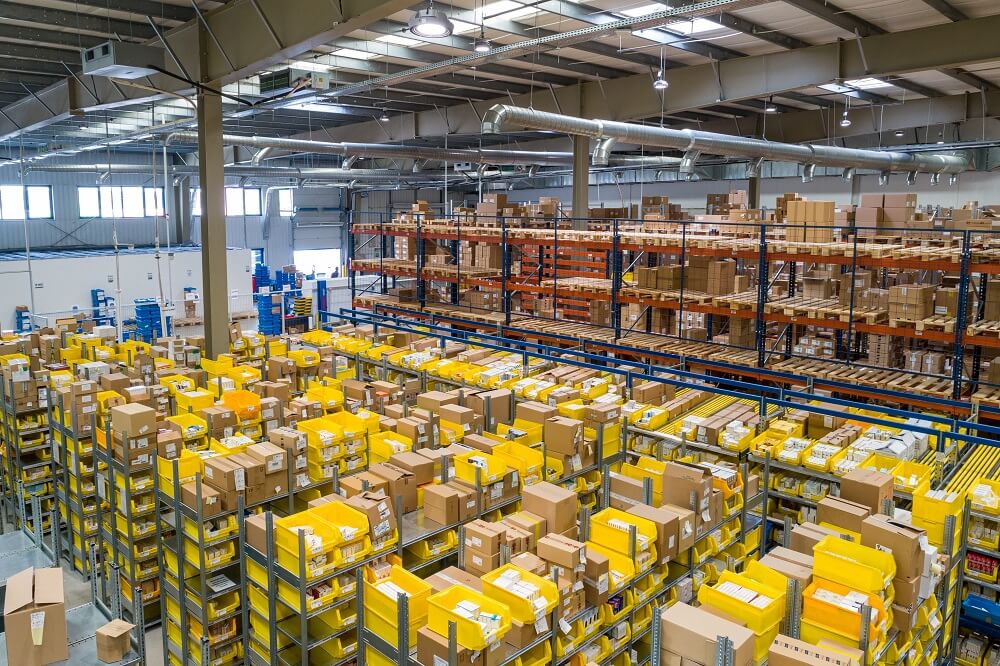
The rapid expansion of e-commerce has fundamentally transformed the logistics industry. As consumers increasingly expect faster deliveries, flexible return options, and real-time order tracking, logistics and last-mile delivery systems have evolved from basic transportation functions into complex, technology-driven ecosystems. This shift has reshaped how goods move from warehouses to customers’ doorsteps.
Rise of E-commerce and Changing Consumer Expectations
Online shopping has redefined purchasing behavior. Customers now demand:
-
Same-day or next-day delivery
-
Accurate delivery tracking
-
Convenient returns and exchanges
-
Affordable or free shipping options
These expectations have placed significant pressure on logistics providers to enhance speed, reliability, and transparency across the supply chain.
Transformation of Logistics Operations
Increased Demand for Speed and Efficiency
Traditional logistics models focused on bulk transportation to retail stores. E-commerce, however, emphasizes direct-to-consumer delivery, requiring faster order processing and shorter delivery cycles. As a result, companies have invested heavily in:
-
Automated warehouses and fulfillment centers
-
Advanced inventory management systems
-
Data-driven demand forecasting
These improvements help minimize delays and optimize stock availability.
Expansion of Fulfillment Infrastructure
To meet delivery timelines, businesses are developing micro-fulfillment centers closer to urban areas. This decentralized approach reduces transportation distances and supports quicker deliveries, particularly in densely populated regions.
Impact on Last-Mile Delivery Systems
Complexity of the Last Mile
The last mile—the final step of delivery to the customer—is the most expensive and operationally complex part of logistics. E-commerce growth has amplified these challenges due to:
-
High delivery frequency
-
Smaller order sizes
-
Urban congestion and limited parking
Each individual delivery requires careful coordination, making efficiency critical.
Innovation in Delivery Models
To overcome last-mile challenges, logistics providers have adopted innovative solutions such as:
-
Crowdsourced delivery networks
-
Smart lockers and pickup points
-
Route optimization using AI
-
Electric vehicles and bicycles for urban deliveries
These approaches help reduce costs, emissions, and delivery times while improving customer satisfaction.
Technology as a Key Enabler
Technology plays a central role in modern e-commerce logistics. Tools such as real-time tracking, automation, and artificial intelligence allow companies to monitor shipments, predict delays, and dynamically adjust delivery routes. This level of visibility enhances trust and improves the overall customer experience.
Sustainability and Environmental Impact
The surge in e-commerce deliveries has increased carbon emissions, particularly in urban areas. In response, companies are prioritizing sustainable logistics practices, including:
-
Eco-friendly packaging
-
Consolidated deliveries
-
Low-emission delivery vehicles
Balancing speed with sustainability has become a defining challenge for last-mile delivery systems.
Competitive Advantage Through Logistics Excellence
Efficient logistics and reliable last-mile delivery have emerged as powerful differentiators in the e-commerce landscape. Companies that consistently deliver faster, cheaper, and more sustainably gain stronger customer loyalty and a clear competitive edge.
Future Outlook
As e-commerce continues to grow, logistics networks will become more localized, automated, and data-driven. The future of last-mile delivery will likely focus on hyper-local fulfillment, autonomous delivery technologies, and greater environmental responsibility.
Frequently Asked Questions (FAQ)
1. Why is last-mile delivery critical in e-commerce logistics?
Last-mile delivery directly affects customer satisfaction, delivery speed, and overall logistics costs.
2. How has e-commerce increased logistics complexity?
It has led to smaller, more frequent orders, tighter delivery windows, and higher expectations for tracking and returns.
3. What role does technology play in e-commerce logistics?
Technology enables automation, real-time visibility, route optimization, and predictive analytics for efficient operations.
4. How do fulfillment centers support faster deliveries?
They store inventory closer to customers, reducing travel distance and order processing time.
5. What are the main challenges of last-mile delivery?
High costs, urban congestion, failed deliveries, and environmental impact are major challenges.
6. How are companies making last-mile delivery more sustainable?
By using electric vehicles, optimizing routes, consolidating shipments, and adopting eco-friendly packaging.
7. What trends will shape the future of e-commerce logistics?
Automation, micro-fulfillment, autonomous delivery, and sustainability initiatives will define future growth.
