
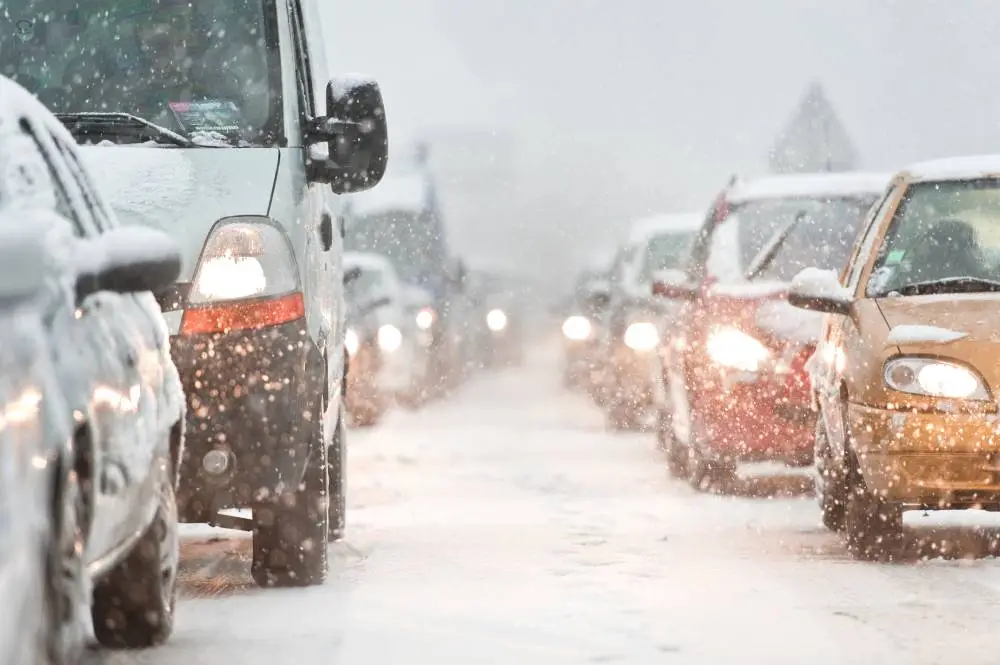
Weather plays a critical role in driving safety. Rain, fog, snow, wind, and extreme heat all change how a vehicle responds and how drivers must behave on the road. Understanding these conditions and applying the right safe handling techniques can significantly reduce accidents and improve overall driving confidence.
Why Weather Conditions Impact Driving
Weather affects visibility, traction, braking distance, and vehicle control. Poor conditions reduce reaction time and increase the likelihood of skidding or collisions. Even experienced drivers must adjust their driving style to match the environment.
Key factors influenced by weather include:
- Tire grip on the road
- Effectiveness of brakes
- Driver visibility and awareness
- Vehicle stability and steering response
Driving Safely in Rainy Conditions
Rain is one of the most common and underestimated driving hazards. Wet roads reduce friction, making it easier for vehicles to skid.
Safe handling techniques for rain include:
- Reduce speed to maintain tire traction
- Increase following distance
- Avoid sudden braking or sharp turns
- Use headlights to improve visibility
- Be cautious of hydroplaning, especially at higher speeds
Foggy Weather and Reduced Visibility
Fog severely limits how far ahead drivers can see, increasing the risk of rear-end collisions and lane drift.
Best practices for foggy driving:
- Use low-beam headlights, not high beams
- Drive slowly and steadily
- Follow road markings for guidance
- Avoid overtaking unless absolutely necessary
- Keep windows clear of condensation
Snow and Ice: High-Risk Driving Conditions
Snow and ice create extremely slippery surfaces, often causing vehicles to lose control with minimal input.
Handling techniques for snowy or icy roads:
- Accelerate and brake gently
- Maintain low speeds
- Use winter tires when possible
- Steer smoothly to avoid skidding
- Increase stopping distance significantly
Driving in Strong Winds
High winds can push vehicles out of their lanes, especially lightweight cars, vans, and trucks.
To handle windy conditions safely:
- Keep both hands firmly on the steering wheel
- Reduce speed for better control
- Be cautious near bridges and open highways
- Watch for debris on the road
- Anticipate sudden gusts when passing large vehicles
Hot Weather and Vehicle Performance
Extreme heat doesn’t just affect drivers—it also impacts vehicle systems such as tires, engines, and brakes.
Safe driving tips during hot weather:
- Monitor tire pressure regularly
- Watch engine temperature gauges
- Avoid aggressive driving that strains the engine
- Stay hydrated to maintain alertness
- Never ignore warning lights
Adapting Your Driving Mindset to Weather Changes
Safe driving isn’t just about vehicle control—it’s also about mental readiness. Weather-related stress can lead to poor decisions.
Smart mindset adjustments include:
- Planning extra travel time
- Staying calm under pressure
- Avoiding unnecessary trips in extreme conditions
- Recognizing when conditions exceed your comfort level
Conclusion
Weather conditions are unpredictable, but safe driving doesn’t have to be. By adjusting speed, improving awareness, and applying proper handling techniques, drivers can stay in control regardless of the environment. Respecting weather challenges is one of the most important habits of a responsible driver.
Frequently Asked Questions (FAQs)
1. Which weather condition causes the most driving accidents?
Rain is responsible for the highest number of weather-related accidents due to reduced traction and visibility.
2. Why are wet roads more dangerous at the beginning of rainfall?
Oil and debris mix with water, creating a slippery surface before being washed away.
3. Is it safer to drive slower in all bad weather conditions?
Yes, reducing speed improves reaction time and vehicle control in nearly all adverse conditions.
4. Can regular tires handle snow and ice safely?
Regular tires can manage light snow, but winter tires offer much better grip and control.
5. How can drivers prevent fatigue during extreme weather driving?
Stay hydrated, take breaks, and avoid driving long hours in stressful conditions.
6. Should drivers avoid cruise control in bad weather?
Yes, cruise control can reduce traction response during rain, snow, or icy conditions.
7. What is the safest action if weather suddenly becomes severe?
Slow down, turn on hazard lights if necessary, and pull over safely until conditions improve.
