
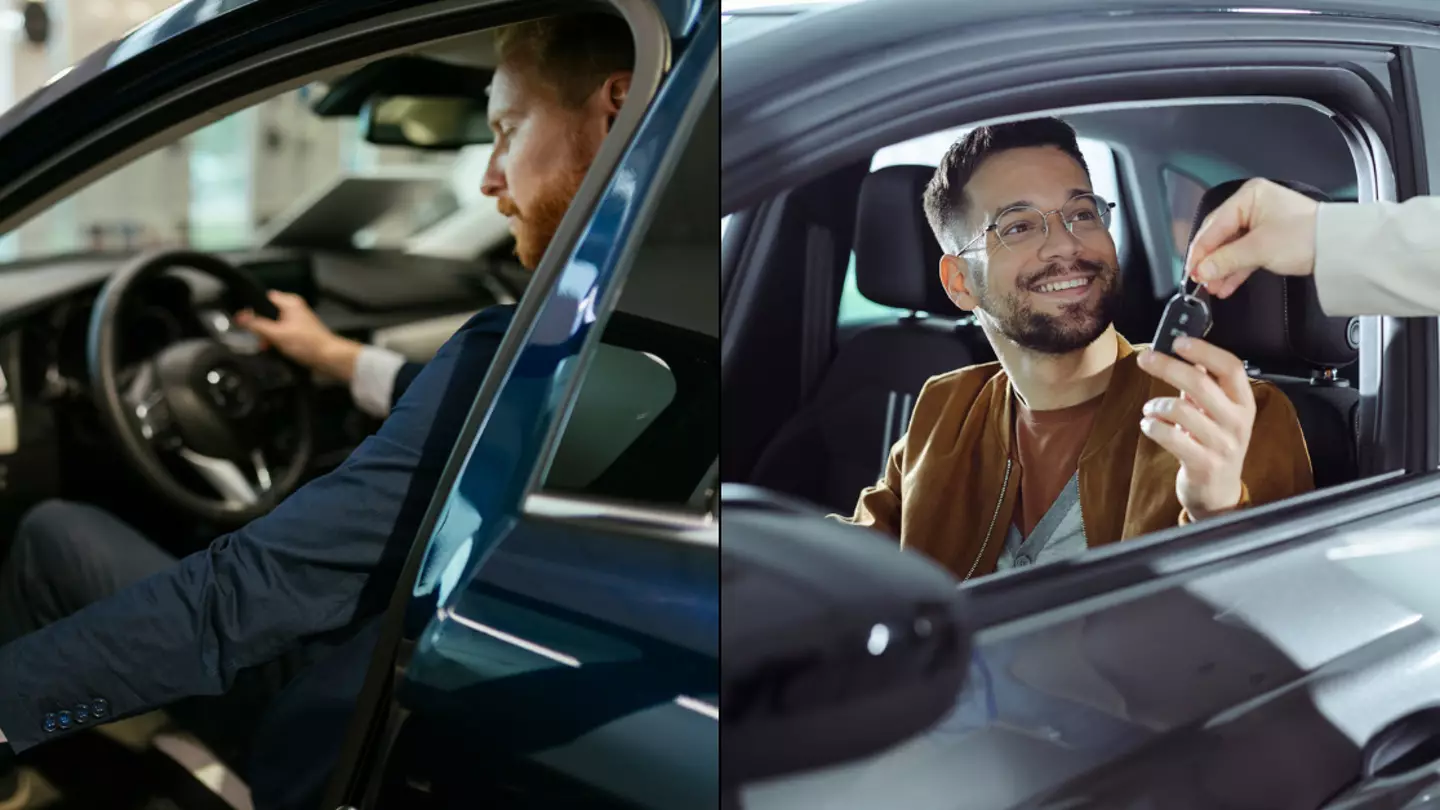
Online used car listings are convenient, fast, and packed with information. Photos look polished, descriptions sound reassuring, and specifications appear complete. Yet, no listing—no matter how detailed—can replace the insight gained from a real test drive. Sitting behind the wheel exposes details that images and text simply cannot capture.
A test drive transforms a used car from a digital promise into a tangible experience, revealing truths that listings often overlook or unintentionally hide.
The Limits of Online Used Car Listings
Online listings are designed to attract interest, not provide a full diagnostic picture. Even honest sellers can only share what they know or what is visible.
Common gaps in online listings include:
-
Engine noises that only appear under acceleration
-
Brake responsiveness during real-world stops
-
Steering alignment issues at highway speeds
-
Suspension behavior over bumps and uneven roads
Photos and descriptions freeze a moment in time, while a test drive shows how the car behaves in motion.
How a Test Drive Exposes Mechanical Reality
A vehicle can look perfect and still drive poorly. The test drive is where mechanical integrity is revealed.
Engine and Transmission Performance
During a drive, you can feel:
-
Delayed gear shifts or rough transitions
-
Hesitation when accelerating
-
Vibrations at idle or cruising speeds
These signs often indicate wear that listings don’t mention or recognize.
Brakes, Suspension, and Steering
Real driving conditions highlight:
-
Soft or spongy brake pedals
-
Steering pull or excessive play
-
Clunks or rattles from worn suspension components
Such issues rarely appear in photos but significantly affect safety and repair costs.
Interior Comfort Can’t Be Judged on a Screen
Interior photos may look clean, but comfort is personal and experiential.
A test drive lets you evaluate:
-
Seat support and driving posture
-
Cabin noise at different speeds
-
Climate control effectiveness
-
Visibility and blind spots
What looks comfortable online may feel tiring after just ten minutes on the road.
Technology and Features Need Hands-On Testing
Modern used cars often include advanced infotainment and driver-assistance systems. Listings may state these features are “fully functional,” but real use can tell a different story.
During a test drive, you can verify:
-
Touchscreen responsiveness
-
Bluetooth and navigation reliability
-
Backup camera clarity and lag
-
Warning lights or sensor errors
Technology issues can be costly to repair, making this step essential.
Emotional Confidence Matters More Than Specs
Buying a used car isn’t just a logical decision—it’s emotional. A test drive answers questions you didn’t know you had.
You may notice:
-
How confident you feel merging into traffic
-
Whether the car feels stable at speed
-
If the driving experience matches your expectations
This emotional feedback is impossible to extract from an online listing.
Spotting Red Flags Before They Become Regrets
Test drives often reveal warning signs that prompt better questions—or a wiser walk-away.
Key red flags include:
-
Burning smells or smoke
-
Warning lights appearing mid-drive
-
Unusual noises when turning or braking
-
Seller resistance to longer or varied driving routes
These clues protect buyers from expensive surprises later.
Why Smart Buyers Never Skip the Test Drive
Online listings are excellent for narrowing options, but test drives finalize the truth. They validate claims, uncover hidden issues, and help buyers make confident decisions.
A used car may check every box on a screen, but only a test drive confirms whether it truly belongs in your driveway.
Frequently Asked Questions (FAQs)
1. How long should a proper used car test drive last?
A meaningful test drive should last at least 15–20 minutes, covering city streets, highways, and uneven roads if possible.
2. Should I test drive a used car even if it has a clean history report?
Yes. History reports show past records, but they cannot reveal current mechanical or comfort issues.
3. Is it okay to test drive more than one similar used car?
Absolutely. Comparing similar models back-to-back helps identify differences in performance, comfort, and condition.
4. Can a test drive replace a professional inspection?
No. A test drive complements an inspection, but a mechanic can uncover issues not felt during driving.
5. What if the seller refuses a test drive?
Refusal is a major red flag. It’s usually best to walk away and explore other options.
6. Should I test drive a used car at highway speeds?
Yes. Highway driving reveals alignment issues, wind noise, vibration, and transmission behavior under sustained speed.
7. Is it acceptable to test drive in bad weather?
If possible, yes. Rain or rough conditions can expose traction, braking, and visibility issues that fair weather hides.
